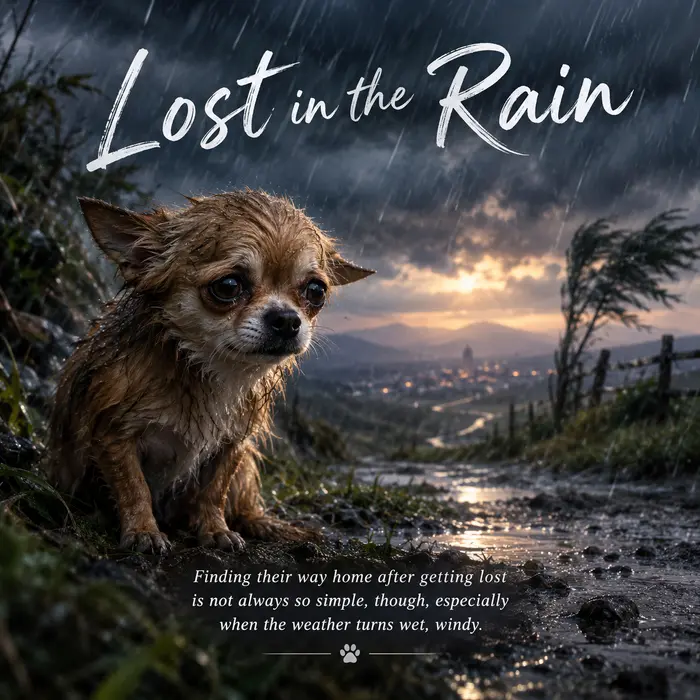

Have you ever turned your back for just a minute, only to discover your dog has suddenly become an escape artist?
Dogs don’t always run away because they want to leave home. Sometimes they’re bored, under-stimulated, anxious, or simply following an exciting smell. The good news is that the right toys, comfortable resting spaces, and a little daily attention can make home a much more interesting place to stay.
Let’s look at what actually helps.
Why Do Dogs Try to Run Away in the First Place?
Dogs are naturally curious animals. Their instincts encourage them to explore, chase, sniff, and investigate unfamiliar surroundings. A dog spending long hours alone without enough stimulation may start looking for entertainment elsewhere.
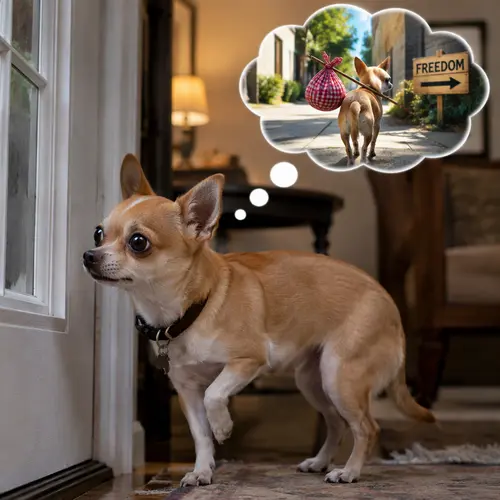
Boredom is one of the most overlooked reasons dogs try to escape. Separation anxiety, mating instincts, loud noises, and insufficient exercise can also contribute.
For example, a young Jack Russell Terrier may become frustrated without activities that challenge its hunting instincts. Meanwhile, a Labrador might simply be looking for someone to play fetch with. Different dogs, Different hobbies!
5 Dog Toys That Keep Your Dog Mentally and Physically Busy
1. Interactive Puzzle Toys and Treat Dispensers
Puzzle toys encourage dogs to solve small problems to discover hidden treats. They stimulate natural sniffing and foraging behaviours, helping prevent boredom.
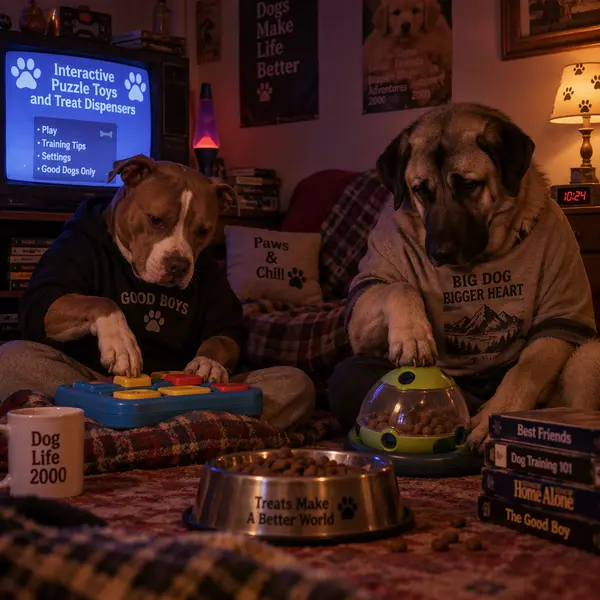
Try a treat-dispensing ball or a sliding puzzle feeder. These are particularly useful for intelligent breeds such as Border Collies, Poodles, and German Shepherds.
Why they work: They give your dog a mental challenge, making playtime more rewarding than simply chewing on the furniture!
2. Durable Chew Toys for Natural Stress Relief
Chewing is a natural canine behaviour. Suitable rubber chew toys can provide entertainment and help some dogs settle when they’re feeling restless.
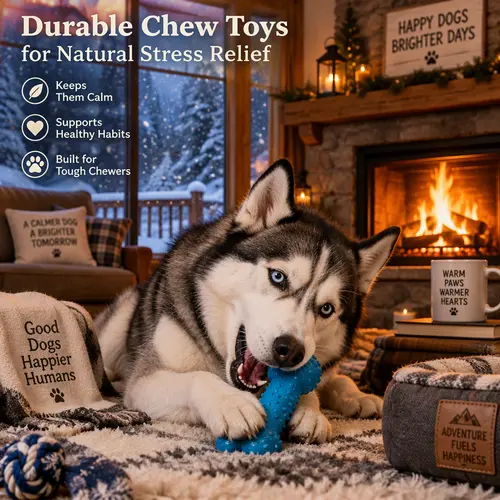
Choose an appropriately sized, durable toy, and avoid products that can break into dangerous pieces. No toy is completely indestructible, despite what the packaging claims!
3. Snuffle Mats That Turn Mealtime into a Treasure Hunt
A snuffle mat hides small pieces of food between fabric layers, encouraging dogs to use their noses.
Beagles, Basset Hounds, Poddle and other scent-driven breeds often enjoy this activity. Even ten minutes of sniffing can provide valuable mental stimulation.
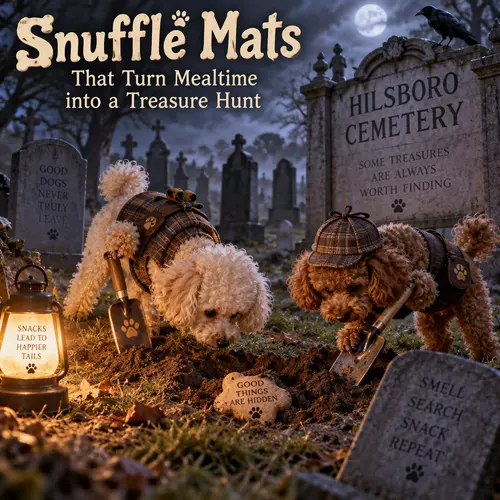
A simple tip: Instead of putting every meal in a regular dog bowl, occasionally use a snuffle mat to make feeding time more interesting.
4. Fetch and Tug Toys for Extra Energy
A quality dog ball, rope toy, or soft frisbee can help turn excess energy into healthy play.
Labradors and Golden Retrievers often enjoy retrieving games, while Staffordshire Bull Terriers may love supervised tug sessions.

Remember to choose toys suitable for your dog’s size and strength.
5. Squeaky Toys for Curiosity and Play
Some dogs love toys that make sounds. Squeaky toys can encourage independent play and satisfy parts of their natural chasing and hunting instincts.
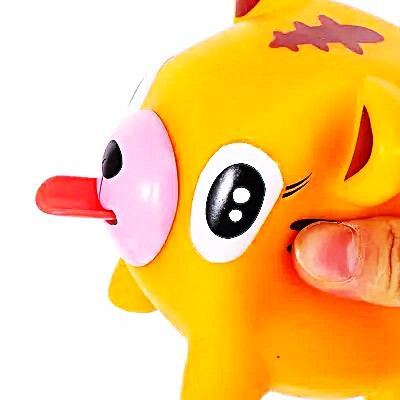
Always supervise dogs that tend to rip toys apart or swallow squeakers.
Quick Tip: To learn more about choosing the best dog toys, including indestructible dog toys and durable chew toys >>> “Buying the Best Dog Toy? – The Ultimate Dog Toy Guide”
Dog Beds and Dog Crates: Why a Comfortable Home Matters
Toys aren’t the whole story. Dogs also need somewhere they genuinely enjoy relaxing.
A supportive dog bed gives your pet a familiar resting place where they can feel secure. Orthopaedic dog beds may be particularly useful for senior dogs and larger breeds such as German Shepherds.
Tip: To learn more about how your dog’s bed, comfort, and sleeping environment can affect their behaviour and desire to stay at home >>> “Could Your Dog Run Away Because They Hate Their Bed?”
A properly introduced dog crate can also become a cosy retreat. Add comfortable bedding and a safe chew toy, and let your dog explore it voluntarily.
***Never use a crate as punishment or leave a dog confined for excessive periods. It should be a positive resting space, not a furry prison!
Tip: To learn more about dog bed types and styles that can help prevent your dog from running away >>> “Dog Bed Types, Sizes & Buying Guide: Everything You Need to Know”
Which Dog Breeds Need Which Toys?
Different breeds have different energy levels and instincts. Choosing toys based on your dog’s natural behaviour can make playtime much more enjoyable.
- Border Collies: Advanced puzzle toys, agility equipment, and herding-style games.
- Jack Russell Terriers: Interactive toys, digging alternatives, and chasing games.
- Labradors: Fetch balls, swimming toys, and food puzzles.
- Beagles: Snuffle mats, scent games, and treat-dispensing toys.
- French Bulldogs: Gentle interactive toys and short play sessions, avoiding overheating.
- German Shepherds: Durable chew toys, obedience games, and mentally challenging activities.
Remember, individual personality and age matter just as much as breed. An older Jack Russell may prefer a puzzle feeder over an energetic game of fetch!
Can Toys Really Stop a Dog from Running Away?
Short answer: Toys can reduce boredom-related wandering, but they cannot guarantee that a dog will stay home.
A combination of daily exercise, mental stimulation, positive attention, and secure fencing is much more effective.
Veterinarians and qualified behaviour professionals generally recommend identifying the underlying reason for escape behaviour rather than simply distracting the dog.
Make sure your garden gates are secure, your dog wears an identification tag, and its microchip details are up to date. A GPS dog tracker can also provide additional peace of mind.
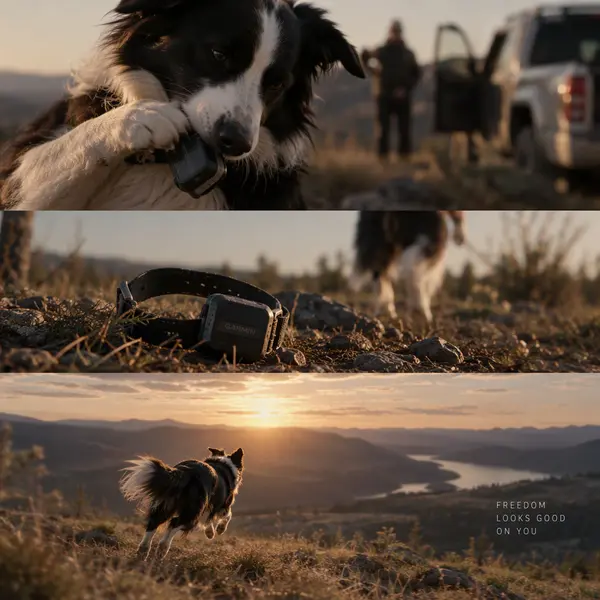
Never rely on toys instead of proper supervision or secure boundaries.
Frequently Asked Questions
What is the best toy for a dog that gets bored easily?
Interactive puzzle toys, snuffle mats, and treat-dispensing balls are excellent starting points. Rotate toys regularly to keep them interesting.
Do dogs run away because they are unhappy at home?
Not necessarily. Curiosity, mating instincts, fear, insufficient exercise, and separation anxiety can all contribute. Persistent escape attempts deserve closer attention.
Quick Tip: More about “Why dogs run away, what lost dogs think and feel, and how they try to find their way home >>> “Why Do Dogs Run Away? What Lost Dogs Think, Feel and Do to Find Their Way Home“
Does a dog crate prevent dogs from escaping?
A crate can provide a secure resting area when used appropriately, but it should never replace proper supervision, training, and secure outdoor boundaries.
How many toys should a dog have?
There is no magic number. Start with three to five suitable toys and rotate them throughout the week rather than leaving everything out all the time.
Can separation anxiety make a dog run away?
Yes. Some dogs become distressed when left alone and may attempt to escape. Speak with your veterinarian if your dog shows persistent distress, destructive behaviour, or panic when separated.
Quick Tİp: How dogs find their way home when lost in the rain or snow, and how weather conditions affect their behaviour and sense of direction >>> “Lost in the Rain or Snow? How Dogs Find Their Way Home”
Are puzzle toys suitable for puppies?
Yes, provided they are age-appropriate, easy to use, and made from safe materials. Supervise play, especially when your puppy is teething.
What should I do if my dog keeps escaping the garden?
Check fencing and gates, identify possible triggers, increase appropriate exercise and enrichment, and consider professional behavioural advice. A GPS dog tracker and updated microchip details can provide additional protection.
Final Thoughts: Make Home Your Dog’s Favourite Place
The secret isn’t buying the most expensive dog toy in the pet shop. It’s understanding what makes your dog happy.
A Labrador may dream about chasing a ball, while a Beagle would happily spend half an hour investigating a snuffle mat. Combine suitable toys with a comfortable dog bed, positive crate training, daily walks, and plenty of affection.
Your dog doesn’t need a mansion or a mountain of toys. It needs a life filled with interesting things to do, a safe place to rest, and someone who understands its little canine world.