

You let your dog into the garden for a quick toilet break. You turn around to grab your coffee, and suddenly, the garden is empty. 😱 The gate is open, your heart drops, and your dog has apparently decided to audition for a canine version of The Great Escape.
If you’ve ever lost sight of your dog, you know how quickly a normal day can turn into a worrying search. But why do dogs run away from home? Do they miss their owners? Can they find their way back, and how long does it usually take?

The answers aren’t always straightforward. Some dogs wander off because an interesting smell gets the better of them. Others bolt because fireworks, traffic or unfamiliar surroundings frighten them. And some are trying to escape a situation that makes them feel anxious or uncomfortable.
Understanding your dog’s behaviour can help you work out what might have happened, respond safely and reduce the chances of another escape.
Whether you share your home with a curious Labrador, a determined Dachshund or a tiny Chihuahua with surprisingly big opinions, here’s what you should know about lost dog behaviour, canine psychology, home safety and the steps that can help bring a missing dog home.
Quick Answer: Why Do Dogs Run Away, and When Do They Come Back?
Dogs run away because of fear, curiosity, chasing instincts, boredom, mating behaviour or separation-related distress. Some return within minutes or hours, while others may remain missing for days or longer. There is no reliable average return time because every dog’s circumstances are different.

If your dog is missing right now, start searching immediately, notify local animal shelters and veterinary clinics, and share a recent photograph with your community. Don’t wait to see whether your dog comes back on their own.
If you spot a frightened dog, avoid chasing them. Sudden movement, shouting and attempts to grab them may make them run farther away.
Why Would a Happy Dog Run Away From Home?
One of the hardest things for dog owners to understand is why a dog that receives plenty of love, food, walks and cuddles would want to leave.
The truth is that running away doesn’t automatically mean your dog is unhappy. Dogs don’t always make decisions based on the same things humans consider important.
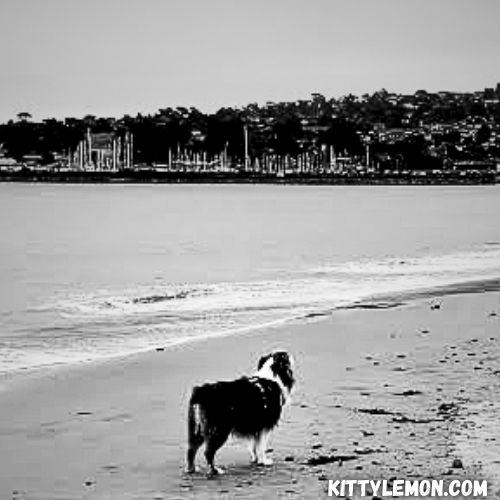
A secure home, a familiar sofa and a full food bowl are wonderful, but they don’t necessarily cancel out a squirrel, a sudden bang or the smell of another dog down the street.
Your Dog May Be Following a Smell You Can’t Even Notice
Dogs experience their surroundings through scent in ways that are difficult for us to imagine. A passing animal may leave a trail that captures a dog’s attention long after the animal itself has disappeared.
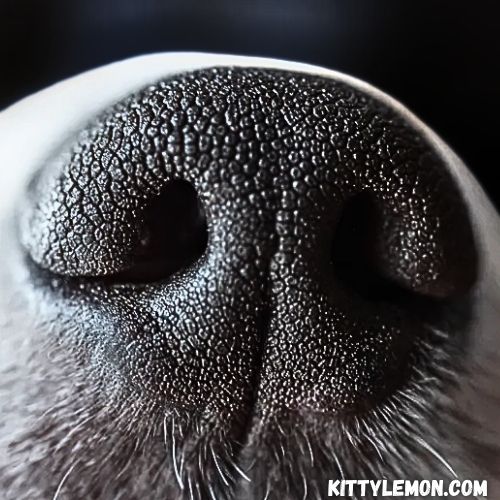
Once your dog starts following that trail, curiosity can take over. They might travel farther than expected before realising they’re somewhere unfamiliar.
This is particularly relevant for scent hounds, including Beagles and Basset Hounds, although dogs of any breed can become distracted by an interesting smell.
If your dog tends to lower their nose and follow trails rather than look back at you, practise recall in a secure area before giving them more freedom.
Fear Can Make a Dog Run Before It Has Time to Think
A dog frightened by fireworks, thunder, construction noise or a sudden disturbance may bolt before you can reach them.
This response isn’t disobedience. It’s an attempt to escape something the dog perceives as dangerous.
A normally confident dog may behave completely differently when frightened 😨. They might ignore familiar commands, squeeze through a gap in a fence or keep running even when their owner calls.
Dogs that have previously escaped during storms or fireworks may need extra precautions during similar events.
Keep them indoors in a secure, quiet room, close windows and exterior doors, and use a lead when taking them outside for toilet breaks if there is a risk of bolting.
Some Dogs Are Simply Looking for More to Do
Dogs need appropriate physical exercise, mental stimulation and opportunities to explore. When their daily routine doesn’t meet their individual needs, some may start looking for entertainment beyond the garden gate.

That doesn’t mean every escape-prone dog needs a longer walk. A senior dog with joint pain, for example, may benefit more from gentle scent games and comfortable indoor activities than from strenuous exercise.
**Try introducing food puzzles, short training sessions, supervised sniffing opportunities and toys suited to your dog’s age and chewing habits.
-Your dog may not need a bigger adventure. They may just need a more interesting Tuesday.
What Happens Inside a Lost Dog’s Mind?
A missing dog isn’t necessarily thinking, “I’m lost, and I need to get home.”
Dogs don’t all respond to unfamiliar situations in the same way. Their behaviour depends on temperament, previous experiences, socialisation and the level of stress they’re experiencing.
A confident dog might approach a passer-by. A nervous dog might hide behind a building. Another might keep moving because every new sound or approaching person seems like another reason to escape.
Why a Lost Dog Might Hide Instead of Coming When Called
**Fear can change how a dog responds to familiar people and commands.
A frightened dog may crouch low, tuck its tail, pin its ears back, pant heavily or avoid eye contact. Some dogs freeze or hide, while others move away whenever someone approaches.
Even if your dog recognises your voice, stress may make it difficult for them to respond as they normally would.
This is why a missing dog’s silence shouldn’t be taken as proof that they’re far away or refusing to come home.
***If your dog is frightened, give them space rather than chasing them.*** Turn your body slightly sideways, avoid staring directly at them, speak softly and, if it’s safe, toss a few treats nearby. Let the dog decide whether to approach.
If they repeatedly flee or are close to traffic, contact experienced lost-dog recovery volunteers or local animal services rather than attempting a risky capture.
Do Dogs Miss Their Owners When They’re Lost?
Dogs can form strong attachments to familiar people and may experience distress when separated from them. However, we can’t know exactly what an individual dog is feeling while lost.
Some dogs may seek familiar people, places and scents. Others may focus on finding shelter, avoiding threats or following interesting smells.
A dog that appears withdrawn after returning home may be tired or stressed. A dog that immediately curls up beside you may be seeking comfort and familiarity.
Neither behaviour tells the whole story.
If your dog doesn’t respond to your voice during a sighting, don’t assume your bond has disappeared. Fear and distraction can temporarily interfere with familiar behaviour.
Why Would a Lost Dog Run Away From Its Own Owner?
It’s an upsetting moment: you spot your dog, call their name, and instead of running towards you, they run in the opposite direction.
There are several possible explanations:
- They are frightened. Your dog may be trying to maintain distance from anything approaching.
- They are overstimulated. Traffic, unfamiliar people and other animals may make it difficult to focus on your voice.
- They associate being caught with something unpleasant. If coming when called often ends playtime or leads to punishment, recall may be less reliable.
- They have entered a flight response. Their immediate reaction may be to keep moving rather than stop and assess the situation.
Avoid turning the encounter into a chase. If the dog is safe from immediate danger, move slowly, give them room and use familiar rewards.
***Never punish a dog for eventually coming back. You want returning to you to remain a safe, rewarding experience.
How Long Does It Take for a Lost Dog to Return Home?
You gotta go outside immediately and Search them with your voice. There is no scientifically reliable average time for a lost dog to return home. Some dogs are reunited with their owners within hours, while others are missing for several days or longer. Distance travelled, fear, weather, access to shelter, identification and the availability of people searching can all influence the outcome.
A dog that escapes through an open garden gate may stay nearby. A dog that bolts during fireworks may travel farther while trying to escape the noise.
The following are possible scenarios, not predictions of when your dog will return.
| Time since disappearance | What might be happening |
|---|---|
| First few hours | Your dog may be exploring nearby streets, hiding in a sheltered spot or being found by a neighbour. |
| Within 24 hours | Some dogs return or are located through local searches, while others remain hidden or continue travelling. |
| One to several days | Your dog may be moving between locations, avoiding people or receiving help from someone who found them. |
| A week or longer 😢💔 | Reunion is still possible, and continued searches, shelter checks and local sightings may help locate them. |
***Don’t wait for the first night to pass before taking action. Begin searching as soon as you realise your dog is missing.***
Can a Dog Find Its Way Home After Being Lost?
Yes, some dogs can find their way home using familiar scents, memories of their surroundings and other environmental cues.
However, dogs don’t have an infallible internal navigation system. A familiar route may be difficult to follow after a frightening escape, and unfamiliar streets, busy roads, fences or long distances can make returning home much harder.
Even a dog that has lived in the same house for years may become disoriented after travelling somewhere unfamiliar.
The safest approach is to search actively rather than rely on your dog finding its own way back.
Do Lost Dogs Come Home at Night?
Yes, most of time!!! Some dogs may move more freely when streets are quieter, but others hide throughout the night or remain in one sheltered location.
There is no dependable rule that lost dogs return after dark.
***If you search at night, take a torch, wear reflective clothing and avoid unsafe roads or isolated areas. Ask another person to accompany you when possible.
—-If your dog is known to be fearful, a quiet, patient approach is usually more helpful than calling loudly or organising a crowd to search the same spot.—-
What to Do Immediately When Your Dog Goes Missing
When a dog disappears, it’s natural to panic. But a simple plan can help you focus on the actions that matter most.
1. Start Near the Last Place Your Dog Was Seen
- Search the immediate area, including gardens, garages, sheds, bushes, nearby streets and familiar walking routes.
- Ask neighbours to check enclosed spaces where a dog might have become trapped. If possible, have someone remain at home in case your dog returns while you’re searching.
- Carry a recent photograph, a lead and treats your dog enjoys.
2. Contact Animal Shelters, Veterinarians and Local Authorities
- Report your dog missing to nearby animal shelters, veterinary clinics, rescue organisations and the relevant local animal service.
- In the US, contact local animal control and nearby shelters. In the UK, contact the local council’s dog warden and nearby rescue organisations.
- Give them your dog’s name, size, colour, distinctive markings, last known location and your contact details.
- Follow up regularly. A dog may arrive at a shelter after your first call, so don’t assume that one report covers every later development.
3. Share a Clear Lost-Dog Notice
Post a recent photograph and a concise description on local lost-pet groups and neighbourhood social media pages.
Include the date, approximate time and location your dog disappeared, along with a reliable way to contact you.
If your dog is fearful or likely to bolt, make that clear. Ask people to report sightings with the exact location, time and direction of travel rather than chasing the dog.
If someone claims to have found your pet, ask for identifying details or a current photograph before sending money or sharing sensitive information.
4. Check Your Dog’s Microchip Registration
A microchip can help identify a dog brought to a veterinarian or shelter, but the registered contact details must be current.
***Check your microchip registration and make sure your telephone number and other contact information are accurate.
A collar tag with a current phone number can also help someone contact you quickly.

5. Keep a Record of Sightings
Record each credible sighting, including the time, location, direction of travel and any observations about the dog’s behaviour.
A pattern may emerge. Your dog might repeatedly appear near a familiar park or avoid busy roads.
If sightings suggest your dog is highly fearful, consider asking a trained recovery volunteer for guidance. Repeatedly approaching the same dog without a plan may make recovery more difficult.
For additional guidance, see the American Society for the Prevention of Cruelty to Animals’ lost-pet advice and the American Kennel Club’s missing-dog guide.
Why Your Home’s Layout Can Help Prevent a Dog From Escaping
Interior design might seem unrelated to a missing dog, but the way a home is arranged can make a real difference to safety.
You don’t need to turn your living room into a veterinary waiting room. A few thoughtful changes can help you manage entrances, create a calmer environment and give your dog a comfortable place to settle.
Create a Secure Entryway Before Opening the Front Door
The front door is a common escape point, especially when visitors arrive, deliveries are made or family members come home carrying shopping bags.
A practical solution is to create a second barrier between your dog and the exterior door.
Depending on your home, this could be a properly installed baby gate, a secure internal door or a separate room where your dog can relax while people come and go.
Make sure the barrier is suitable for your dog’s size and jumping ability. A gate that works for a Chihuahua may be little more than a warm-up exercise for a determined Labrador.
Keep leads, harnesses and identification tags in one accessible place near the entrance, without leaving equipment where your dog might chew it.
Give Your Dog a Calm Corner Away From Busy Doors – Comfortable Dog Bed
Some dogs find the constant activity near entrances stressful. Others become excited whenever they see people or animals passing through the windows.
A comfortable resting area away from the busiest part of the home can help reduce unnecessary stimulation.
Consider a well-fitted dog bed, washable covers, a familiar blanket and a favourite safe toy. Place the bed somewhere your dog can rest without being disturbed by constant foot traffic.
-Tip: For more information, check out our detailed guide to different types and styles of safe, comfortable dog beds >>> “Quick Secure Dog Bed Types, Sizes & Buying Guide: Everything You Need to Know”
If your dog is sensitive to noise, a quieter room with curtains or blinds may help reduce visual and auditory stimulation.
The goal isn’t to isolate your dog. It’s to give them a choice of comfortable places to relax.
Choose Dog-Friendly Furniture and Fabrics Without Sacrificing Style
A pet-friendly home can still look beautiful. Practical materials often make everyday life easier, particularly when dogs track in mud, shed hair or occasionally have an accident.
Consider tightly woven upholstery, removable washable covers, durable rugs and flooring that’s easy to clean. Keep loose cords, fragile decorations and potentially toxic plants out of reach.
For a dog that likes to dig at bedding or chew soft furnishings, offer appropriate enrichment and supervise access to vulnerable items.
And yes, your Golden Retriever may believe the entire sofa belongs to him. If he could shop online, he’d probably order buy the XXL version, complete with a matching dog blanket.
Comfort matters, but a safe environment matters more than perfectly coordinated cushions.
Make Windows, Balconies and Garden Access Safer
Dogs may become excited by passing animals, people or unfamiliar noises. Check that windows, balcony doors and garden gates are secure and appropriate for your dog’s size and behaviour.
Never rely on a low balcony barrier or an open window to contain a dog. Use suitable physical barriers and supervise access to potentially dangerous areas.
If you have a garden, inspect the fence regularly for gaps, loose panels, damaged latches and places where your dog could dig underneath.
A beautiful garden isn’t much use if your four-legged explorer can escape through a gap behind the flowerbeds.
Can a Comfortable Home Reduce Escaping?
A calm, enriching environment can help address some reasons dogs try to escape, especially boredom, frustration and certain forms of stress. However, home decoration alone won’t resolve every behaviour problem.
If your dog is escaping because of separation-related distress, fear of noises or another underlying issue, you may need a tailored behaviour plan.
Veterinary advice is particularly important if the behaviour is new, intense or accompanied by other changes.
Which Dog Breeds Are More Likely to Run Away?
Answer is Mostly Big, Strong and Brave Dogs. Breed can influence the activities a dog finds rewarding, but no breed is guaranteed to stay close or run away. Individual temperament, training, environment and experience matter enormously.
Rather than assuming a particular breed will escape, consider which instincts might be relevant to your own dog.
Beagles and Other Scent Hounds: Follow the Nose, Not the Plan
Beagles and other scent hounds were developed to follow scents. When an interesting trail appears, the surrounding world may become less important.

For these dogs, use a secure harness and lead outside enclosed areas, practise recall with valuable rewards and offer supervised scent games.
A fenced garden should be checked regularly for gaps and digging opportunities.
Huskies: Give Their Energy Somewhere Safe to Go
Siberian Huskies were bred for endurance and can have substantial exercise and enrichment needs. Some individuals are also skilled at climbing, digging or finding weaknesses in fencing.

Provide appropriate daily activity, training and secure outdoor space. Avoid assuming that a long walk alone will meet every dog’s needs.
If your Husky has a history of escaping, use secure barriers and supervise garden time rather than relying on a standard fence without checking its suitability.
Terriers: Make Chasing and Digging Safer
Many terrier types have strong chasing instincts and may enjoy investigating small animals or digging.

Offer safe digging opportunities, interactive games and supervised exploration. Reinforce recall in controlled environments, and use a lead or long line in open spaces until your dog responds reliably.
A terrier that disappears after a rabbit isn’t necessarily ignoring you out of spite. The chase may simply be more rewarding in that moment.
Labrador and Golden Retrievers: Friendly Doesn’t Mean Risk-Free
Labradors and Golden Retrievers are often sociable, curious and enthusiastic about people, food and outdoor activities.

That friendliness may make some individuals more likely to approach strangers or follow an exciting opportunity.
Practise recall around distractions, secure exterior doors and teach your dog to wait before passing through entrances.
Don’t assume a friendly dog will automatically return to you when called. Excitement can be powerful, even in a dog that normally behaves beautifully.
Dachshunds: Small Dogs Can Be Determined Escape Artists
Dachshunds were developed to pursue animals underground, and some enjoy digging, investigating holes and following scents.

Check fence lines, garden beds and low gaps carefully. Provide appropriate activities that satisfy their natural behaviours without allowing unsafe digging or roaming.
Because of their long backs, choose exercise and enrichment activities suited to their physical needs, and ask your veterinarian if you’re unsure which activities are appropriate.
Chihuahuas and Other Small Dogs: Watch the Gaps and the Temperature
Small dogs may fit through spaces that larger dogs can’t access. They can also be vulnerable to traffic, cold weather and other outdoor hazards.

Check that gates and barriers are suitable for a small dog, supervise outdoor access and use a well-fitting harness.
Don’t assume a tiny dog is less likely to get lost simply because it doesn’t travel far. A short escape can still put them in danger.
When Should You Speak to a Veterinarian About Escape Behaviour?
An occasional dash through an open gate may be a management problem. Repeated escape attempts, sudden behavioural changes or signs of severe distress deserve closer attention.
A veterinarian can help determine whether pain, illness, sensory changes or another medical issue might be contributing to the behaviour.
This is especially relevant for older dogs that suddenly become restless, confused or more anxious than usual.
Signs That Escaping May Be Linked to Anxiety
Watch for patterns such as:
- Repeated attempts to leave when you prepare to go out.
- Persistent barking, pacing or destructive behaviour when left alone.
- Scratching or chewing around doors and windows.
- Heavy panting, drooling or agitation during separation.
- Sudden escape attempts during thunderstorms or fireworks.
These signs can have different causes, and not every dog showing them has separation anxiety.
If the behaviour occurs mainly when your dog is alone, a veterinarian or qualified behaviour professional may recommend reviewing video footage, adjusting the environment and developing a gradual behaviour plan.
Don’t punish a dog for distress-related behaviour. Punishment can increase fear without addressing the underlying problem.
When Is a Lost Dog’s Condition an Emergency?
If your dog returns with serious injuries, difficulty breathing, collapse, suspected poisoning, severe weakness or signs of heatstroke, seek urgent veterinary care.
Contact your veterinarian promptly if your dog is limping, unusually lethargic, vomiting repeatedly or behaving very differently from normal.
After a prolonged disappearance, a veterinary check may be sensible even if your dog appears outwardly well. The veterinarian can assess injuries, hydration and any other concerns based on the circumstances.
How to Stop Your Dog From Running Away Again
Once your dog is home, the next step is to work out what made the escape possible.
Was a gate left open? Did fireworks frighten them? Were they following another animal? Did they repeatedly attempt to get out while home alone?
The answer helps you choose a practical prevention strategy.
Build a Reliable Recall Without Turning It Into a Battle
Start in a quiet, enclosed area. Call your dog once using a consistent cue, reward them generously when they come and gradually practise around more distractions.
Use treats, toys or play that your dog genuinely enjoys. For some dogs, a favourite toy is more motivating than food.
Avoid calling your dog only when something unpleasant is about to happen. If coming to you always means the end of a walk, your dog may become less enthusiastic about returning.
Never punish your dog after they respond to recall, even if it took longer than you hoped.
Make Leaving Home Predictable and Calm
If your dog becomes distressed when you prepare to leave, establish a calm routine and provide an appropriate, secure environment.
A comfortable bed, safe chew or food puzzle may help some dogs, provided they can use these items safely.
For dogs with significant separation-related distress, simply providing toys may not be enough. Veterinary guidance and gradual, individualised behaviour work may be necessary.
Recheck Your Home After Every Escape
Even if you have already inspected your garden, repeat the check after an escape.
Look for a loose gate latch, a newly formed gap, damaged fencing or a route you hadn’t previously considered.
If your dog has escaped through the front door, change how household members manage arrivals and deliveries. Small routine changes can prevent a repeat incident.
The most effective solution is usually the one that addresses the specific route or trigger your dog used.
Frequently Asked Questions About Lost Dogs
How long does it take for a lost dog to come home?
There is no reliable average. Some dogs return within hours, while others may be missing for days or longer. Begin searching immediately and contact local animal shelters, veterinarians and rescue groups rather than waiting for your dog to return.
Do lost dogs know their owners are looking for them?
We cannot know exactly what a lost dog understands about a search. Dogs may recognise familiar people, voices and scents, but fear and unfamiliar surroundings can affect their behaviour. A dog that doesn’t approach you may be frightened rather than unaware of your presence.
Do dogs remember their way home?
Some dogs can navigate familiar surroundings using scent, memory and environmental cues. However, this ability isn’t guaranteed, especially if a dog has travelled far or become disoriented. Active searching is safer than relying on a dog to find its own way home.
Why does my dog run away when I call its name?
Your dog may be distracted, frightened, overstimulated or following something rewarding. They may also have learned that returning ends a fun activity or leads to punishment. Practise recall with positive rewards and avoid chasing a dog that is already running away.
Will a lost dog come back if it misses its owner?
A dog may return to familiar people or places, but there is no guarantee. Attachment to an owner doesn’t ensure a dog can navigate home safely. Continue searching and reporting sightings even if you believe your dog may be trying to return.
Do lost dogs hide during the day?
Some frightened dogs hide in quiet or sheltered places, particularly when people, traffic or other animals make the area feel unsafe. Others remain active or approach people. Search likely hiding places carefully, and ask neighbours to check garages, sheds and enclosed gardens.
How far can a dog travel after running away?
There is no universal distance. Some dogs stay close to the escape point, while others travel several miles or more. Expand your search based on sightings, terrain and the circumstances of the escape rather than assuming your dog must be nearby.
Can a lost dog survive outside for a week?
Some dogs survive for a week or longer, but survival depends on weather, water, shelter, injuries, health and other hazards. A dog that appears to be coping may still be at risk. Keep searching and seek veterinary advice when your dog is found.
Should I leave my dog’s bed outside to help it find home?
A familiar-smelling item may help in some circumstances, but there is no guarantee that it will attract your dog. Consider the location, weather, wildlife and local guidance. It should never replace active searching or reporting your missing pet.
Should I chase my dog if I see it?
Usually, no. Chasing can trigger a flight response and make a frightened dog run farther away. If you spot your dog, keep your movements calm, avoid direct confrontation and encourage them to approach if it is safe. Seek experienced help if the dog is highly fearful or near traffic.
Can a microchip help find a lost dog?
A microchip can help identify a dog when it is scanned by a veterinarian, shelter or another authorised service. It is not a live GPS tracker, so it cannot show where your dog is. Keep the registration details up to date and use a collar tag as an additional form of identification.
Does neutering stop dogs from running away?
Neutering may reduce some roaming associated with reproductive behaviour, but it doesn’t prevent every escape. Fear, curiosity, chasing instincts, boredom and separation-related distress can still contribute. Discuss individual risks and benefits with your veterinarian.
Why has my dog suddenly started trying to escape?
A sudden change may reflect a new environmental trigger, a change in routine, fear, frustration or an underlying medical issue. Look for patterns and consult your veterinarian if the behaviour is new, persistent or accompanied by other changes.
What should I do when my dog returns home?
Check for injuries, offer fresh water and a quiet place to rest, and seek veterinary care if your dog appears unwell or has been missing for a prolonged period. Avoid punishment. Once your dog is safe, review the circumstances of the escape and make a plan to prevent it happening again.
Final Thoughts: Help Your Dog Feel Safe, Both Inside and Out
Dogs don’t run away for one single reason. A frightening noise, a fascinating scent, an open gate or an overwhelming situation can be enough to send a dog beyond familiar boundaries.
Understanding your dog’s instincts and emotional responses helps you make better decisions, whether you’re searching for a missing pet or trying to prevent another escape.
A secure home, a thoughtful layout, appropriate enrichment, reliable identification and positive training all play a part. So does knowing when to ask a veterinarian or qualified behaviour professional for help.
And if your dog is missing right now, don’t lose valuable time waiting for them to find their own way home. Start searching, contact local services, share accurate information and follow up on sightings.
Your dog’s next adventure should be a supervised walk, a sniff-filled garden session or a very important investigation of the treat cupboard, not an unexpected solo tour of the neighbourhood.